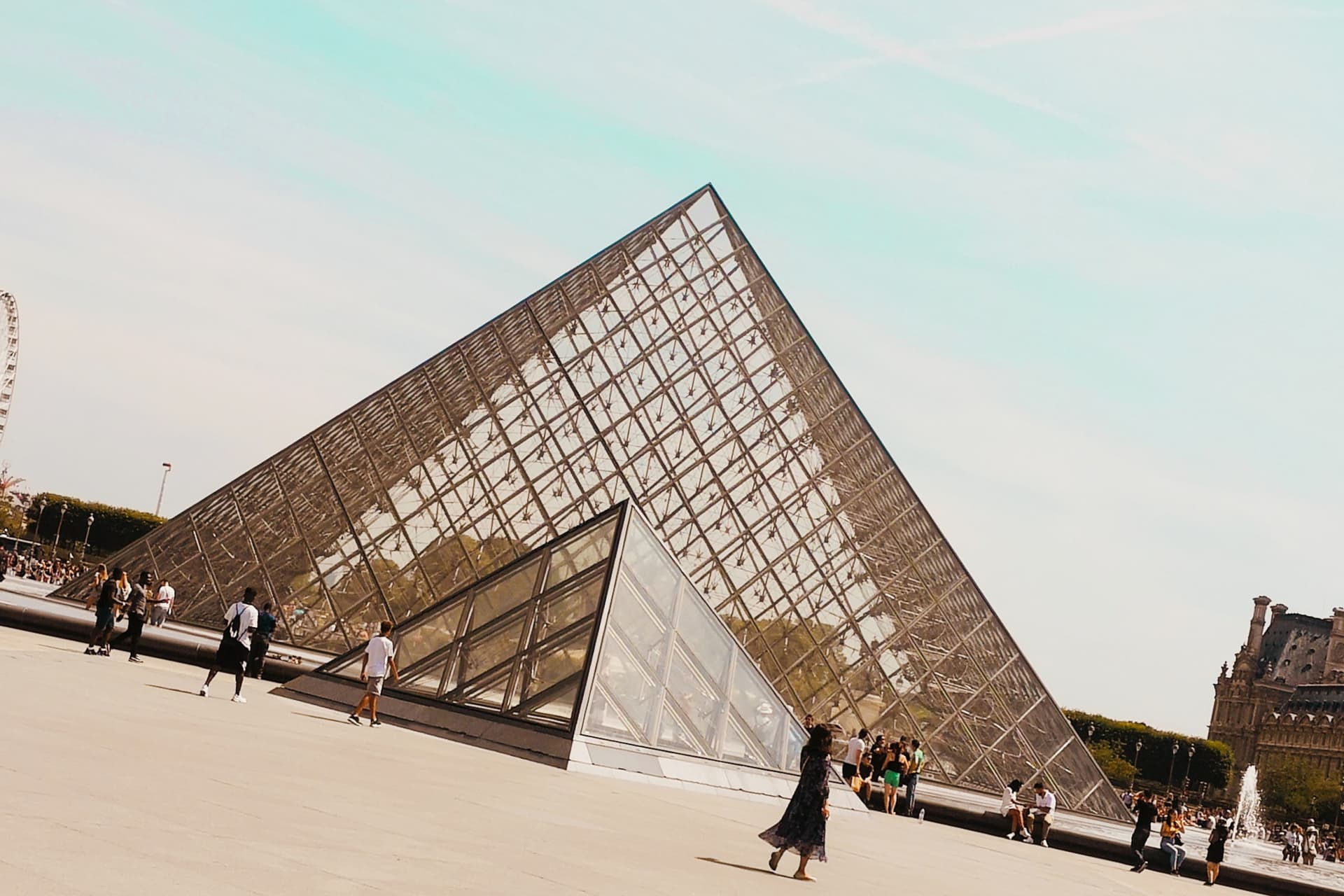
France is a cultured country with many famous masterpieces. The Mona Lisa, the Thinker, Notre Dame Cathedral and the Eiffel Tower are among France’s most iconic objets d’art. The Louvre contains some of the world’s most treasured artifacts, including the Venus de Milo statue and Winged Victory of Samothrace sculpture. The Musée d’Orsay houses masterpieces from the 19th century to present day including work by artists like Monet, Rodin and Renoir.
France has been a leader in the arts for many centuries. It’s well-known for the history of art, literature, and music that dates back to the Middle Ages. The country’s long and distinctive record of achievement includes its many diverse artists, creatives, and innovators. Even today, France is still defined as a producer of works of art across a variety of media. This post sheds light on some of France’s most famous masterpieces from different chunks of time. Here we’ll see the works of French masters and hopefully understand what, why and how they have been made. We’ll try to see and feel the world around us in a new light.
The Mona Lisa
- Leonardo da Vinci, The Mona Lisa (1519–1521)
- 16th century.
- Reputedly the most famous painting in the world, it was commissioned by Francesco del Giocondo as a family portrait to give to his wife, Lisa Gherardini (hence its name), and it hangs at the Louvre Museum in Paris since 1797.
- The subject’s smile has fascinated art historians for centuries; in addition to being one of the most distinctive aspects of this work, it also gave rise to many debates about its meaning and interpretation. Some have even tried to figure out what kind of food she might be eating or whose hand she holds behind her back! Others have argued that perhaps her expression reflects no more than an ambiguity typical of Renaissance portraiture (or possibly even Leonardo himself).
Many other details have been analyzed over time: Her eyebrows appear raised above eyes that seem slightly surprised or even startled by something; these features combined with those high cheekbones make many believe them to be characteristic traits of Italian women from Tuscany where Lisa grew up.
The Thinker
It’s a bronze sculpture by Auguste Rodin (1840-1917). It was created between 1880 and 1902 and stands over five meters tall. The piece depicts a pensive man, seated with his chin resting on one hand and his elbow on his knee. His other hand holds a rock or mineral that has been carved in the shape of an old man’s head. The Thinker is located in the garden of the Tuileries in Paris, France and can be found near another famous work by Rodin: The Gates of Hell.
The Eiffel Tower
It’s a famous landmark in Paris, France. It’s the tallest building in Paris and also the most visited paid monument in the world. It was built as a temporary structure for the World’s Fair in 1889, but its use continues today as a symbol of both France and Paris. The tower stands 1,063 feet tall with an antenna that brings it to 1,099 feet high; it weighs over 7,000 tons and has 17 levels. Each level contains its own unique features including gift shops and restaurants (some with great views).
The Arc de Triomphe
This’s a monument in Paris, France. It was built to commemorate the victory of Napoleon’s army at the Battle of Austerlitz (1805), and it stands on the Place Charles de Gaulle, between l’Étoile and la Concorde.
It has been used as a symbol of France since 1806, when Napoleon designated it as such. The arc has been called “the world’s most famous arch” and “the largest triumphal arch ever constructed”.
In conclusion
After World War II, the French moved on and built upon what made their country one of the most influential in world history. French paintings, like the great Impressionists of old and indeed the Picassos and van Goghs of the younger generation, touch our sensibilities and help us appreciate life beyond our doorstep. French masterpieces are a window into their world, whether it’s from their modern day cities or their rugged coastline.
A lot of France’s most amazing locations and artworks are clustered in the Paris area, but don’t forget that this country has much more to offer than just one city. There’s plenty more out there for you to discover if these French masterpieces haven’t quenched your thirst for adventure yet. If anything, we hope this list has inspired you to do just that, and see what else awaits beyond the boundaries of Paris!