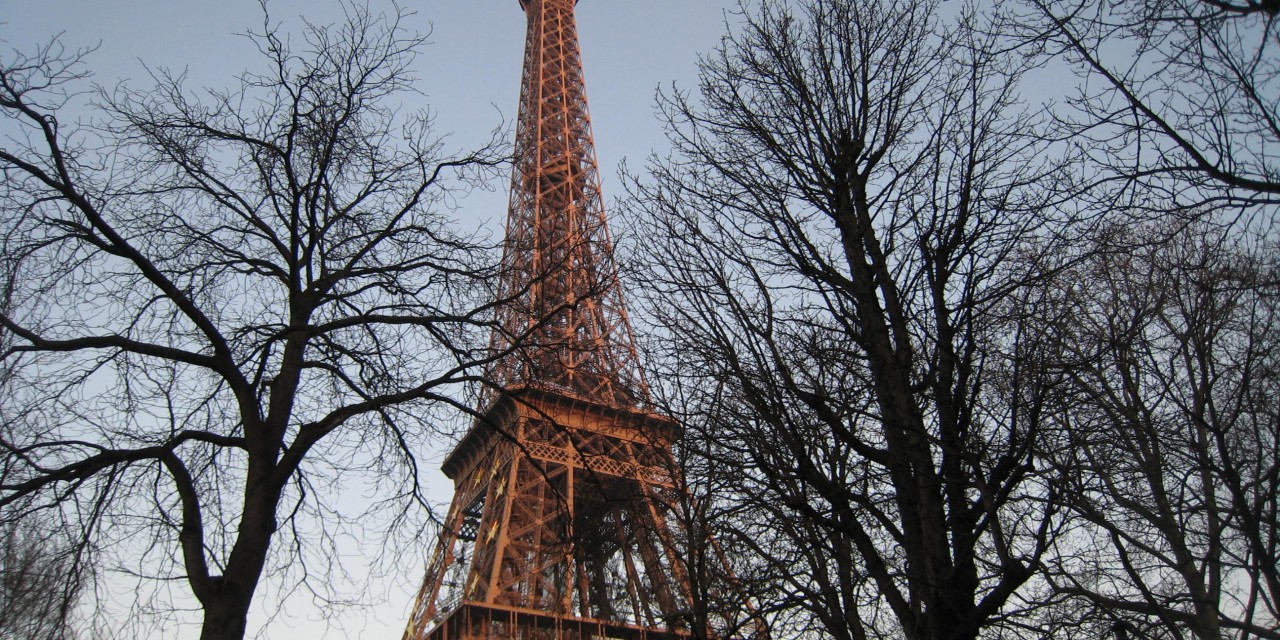
The “Iron Lady” of Paris, the famous Eiffel Tower, has been breaking records of popularity for decades and flaunts in the ratings of the most visited attractions in Europe and around the world. One of the most photographed objects and a true symbol of Paris. For some tourists, the Eiffel Tower turns out to be a complete disappointment, for others – a source of delight and inspiration. Your impressions largely depend on how well you prepared for the trip and organized your visit to the sights, what time you chose, what information you are “armed” with. Popular and crowded places like the Eiffel Tower require a special approach if you visit it yourself. In this article, we will tell you a lot of interesting things about this vibrant landmark of Paris and share useful tips and practical information to make your visit to the Eiffel Tower as comfortable, enjoyable and informative as possible for you.
The project of the metal tower, developed by the staff of the Eiffel bureau, had been waiting in the wings for several years. Until in 1886 for the World Exhibition in Paris (1889) a competition was announced for a construction project that would demonstrate to the world the level of France’s technical achievements. At the same time, the structure was supposed to become the gateway to meet the guests of the exhibition at the pavilions with the exposition. The Eiffel project was recognized as the best. In a record two years and two months, 300 builders, led by Gustave Eiffel, assembled a 300-meter tower from 18 thousand iron billets, weighing 7.3 tons together. Upstairs, building materials were lifted by cranes that moved along the rails laid for future elevators. This is one of the engineer’s know-how, which was evaluated by the competition commission. But the appearance of the tower clearly did not correspond to the appearance of Paris. The rather utilitarian design of the Eiffel (four metal columns that meet at a height of about 190 meters, intertwining into one pyramidal tower) was undertaken to improve the architect S. Sovestr. He designed the top of the tower in a rounded shape, in which the lighthouse later became operational. He supplemented the iron structures with decorative elements and, most importantly, created two platforms (at a height of approximately 58 and 116 meters), which were located on arched vaults connecting all the columns in pairs. The platforms were equipped with a meteorological station, observation decks, restaurants. There is also a third platform under the dome, where the observatory operates, and where a physics study was once opened. The color, in which the structure is regularly painted, varied from red and brown to the trademark “eiffel” bronze, approved by the city authorities.